

Veterans
How the VA Appraisal Process Works in Houston
If you’re using a VA loan to buy a home in Houston, the appraisal is one of the steps that catches people off guard the most.
It’s talked about, but rarely explained well. And that gap causes real problems — delayed closings, surprise repair requests, and buyers who feel blindsided at the worst possible moment.
Here’s how it actually works, and what you should be watching for.
The Move Live Love TX Team™ is a Houston, Texas real estate team based in The Woodlands. We specialize in helping veteran buyers navigate the home buying process across Houston and surrounding areas, including The Woodlands, Spring, Cypress, Katy, and Conroe.
The Short Answer
A VA appraisal does two things at once. It confirms the home’s value, and it checks that the property meets the VA’s minimum standards for safety and livability. Both have to pass before your loan can move forward.
That’s different from a conventional appraisal, which is mostly focused on value. With VA, the condition of the home matters too.
What the VA Appraisal is Actually Checking
When a VA-assigned appraiser visits the home, they’re looking at two separate things.
First, they’re determining what the home is worth based on recent comparable sales in the area. If the home appraises at or above your purchase price, that part is done. If it comes in low, you have some decisions to make — more on that in a minute.
Second, they’re checking whether the home meets what the VA calls Minimum Property Requirements, or MPRs. These exist to make sure the home is safe, structurally sound, and move-in ready. The VA isn’t trying to create obstacles. They’re trying to make sure a veteran isn’t buying a property that’s going to cost them significantly more money right after closing.
Common things that can flag during an MPR review include roof conditions, exposed wiring, broken windows, significant drainage issues, missing handrails on stairs, and anything that presents an obvious health or safety concern. These aren’t obscure technicalities — they’re the kinds of things a reasonable person would want fixed before moving in.
Who Orders the Appraisal and When
Your lender orders the VA appraisal after your offer is accepted. The VA assigns an appraiser from their approved roster — you and your agent don’t get to pick who comes out.
In Houston, appraisal timelines can vary. In a busy market, it’s common for the appraisal to take anywhere from a week to a few weeks to schedule and complete. This is worth factoring into your contract timeline so you’re not scrambling at the end.
The Appraisal is Not the Same as a Home Inspection
This is the one thing we explain to every veteran buyer we work with, because it surprises people more than it should.
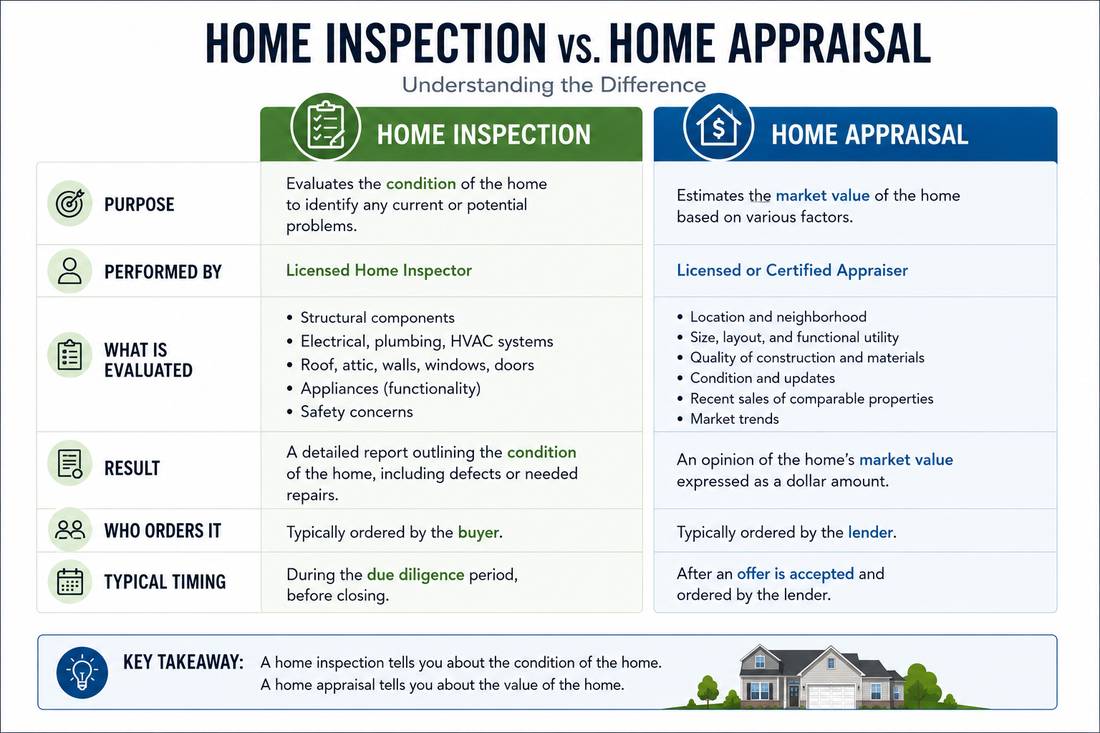
The VA appraisal is required. A home inspection is separate, optional, and handled by a completely different person for a completely different purpose.
An appraiser is looking at value and minimum standards. An inspector is going through the home room by room, checking the HVAC system, the plumbing, the foundation, the roof, the electrical panel, and everything in between. They’re looking for issues that a trained eye can catch but that wouldn’t necessarily show up in an appraisal.
We always recommend getting a home inspection, regardless of how clean the appraisal comes back. The appraisal passing doesn’t mean the home is problem-free. It means it met a minimum bar. Those are two different things.
If you want to understand more about what’s typically included in closing costs and pre-purchase expenses, this article walks through the hidden costs veterans should know before buying a home in Houston.
What Happens if the Home Doesn’t Pass
If the appraiser flags MPR issues, you have a few paths forward.
In some cases, the seller agrees to make the required repairs before closing. This is the most common outcome when the issues are minor and the seller is motivated. Your agent negotiates the repair request, the work gets done, and the appraiser signs off.
For others, the seller won’t budge. At that point you can renegotiate the purchase price to account for what it will cost you to fix the issues yourself after closing. That doesn’t always work, but it’s worth exploring depending on the situation.
And sometimes the right answer is to walk away. If the home has significant issues the seller won’t address and the numbers don’t make sense after renegotiation, your VA loan contingency protects your earnest money while you move on. That protection exists for exactly this reason, and it’s one of the more underappreciated advantages of buying with a VA loan.
For more on how to structure a strong VA offer with the right contingencies in place, take a look at how to make your VA offer stronger in Houston.
What Happens if the Home Appraises Low
This is separate from the MPR issue, but it comes up often enough to address directly.
If the appraised value comes in below your purchase price, you’re in what’s called an appraisal gap. The VA won’t lend more than the appraised value, so something has to give.
The seller can lower the price to match the appraisal. You can pay the difference out of pocket if you have the funds and want the home badly enough. Or you can walk away using your VA loan contingency.
What you can’t do is simply ignore it and proceed as if the appraisal didn’t happen. Your lender won’t allow it.
A good agent sees this coming before it becomes a problem by pricing your offer carefully against recent comps. That’s where having someone in your corner who actually understands VA financing makes a real difference. We’ve covered this dynamic in more detail in the article on why VA loan offers get rejected in Houston.
What We Would Do
If you’re a veteran buyer heading into an appraisal, the first thing we’d do is make sure your offer was structured correctly from the start. That means pricing it in a range the market supports, including the right contingencies, and setting realistic timeline expectations with the seller.
Then we’d walk you through what the appraiser is likely to flag based on the condition of the home — before the appraisal happens, not after. If there are obvious MPR concerns visible during showings, we address those before you’re under contract rather than hoping the appraiser misses them.
And if something does come back flagged, we work through the options with you calmly. Repair request, price renegotiation, or a clean exit. You always have a path forward.
Vicky Royster holds the Military Relocation Professional (MRP) designation, specialized training in helping military families and veterans navigate VA financing from pre-approval through closing.
Ready to Talk Through Your Next Step?
If you’re preparing to buy in Houston using your VA loan, understanding the appraisal process ahead of time puts you in a much stronger position. You know what to expect, what to watch for, and what your options are if something doesn’t go as planned.
The Move Live Love TX Team™ helps veteran buyers across Houston and the surrounding areas put together a smart buying strategy from pre-approval through closing. We know the VA process, we know the Houston market, and we’ll make sure you’re never caught off guard by something we could have seen coming.
Download our VA Home Buying Guide or reach out directly to talk through where you are in the process.
Vicky Royster holds the Military Relocation Professional (MRP) designation, specialized training in helping military families and veterans navigate home buying and relocation.
Frequently Asked Questions
- What does a VA appraisal check besides the home's value?
- It also confirms the home meets the VA's Minimum Property Requirements for safety and livability, covering things like roof condition, exposed wiring, and missing handrails.
- Is a VA appraisal the same as a home inspection?
- No — the appraisal is required and checks value plus minimum standards, while a home inspection is separate, optional, and goes room by room checking systems like HVAC, plumbing, and the foundation in far more detail.
- What happens if a home fails VA Minimum Property Requirements?
- The seller often agrees to make the required repairs before closing, though buyers can also renegotiate price or walk away using the VA loan contingency if the seller won't address the issues.
- What happens if a VA appraisal comes in below the purchase price?
- The seller can lower the price to match the appraisal, the buyer can pay the difference out of pocket, or the buyer can walk away using the VA loan contingency — lenders won't allow the sale to proceed at the original price otherwise.
- How long does a VA appraisal take in Houston?
- Anywhere from about a week to a few weeks to schedule and complete, depending on market conditions, so it's worth factoring into the contract timeline.