

Luxury
What a New Construction Warranty Covers on a Luxury Texas Home
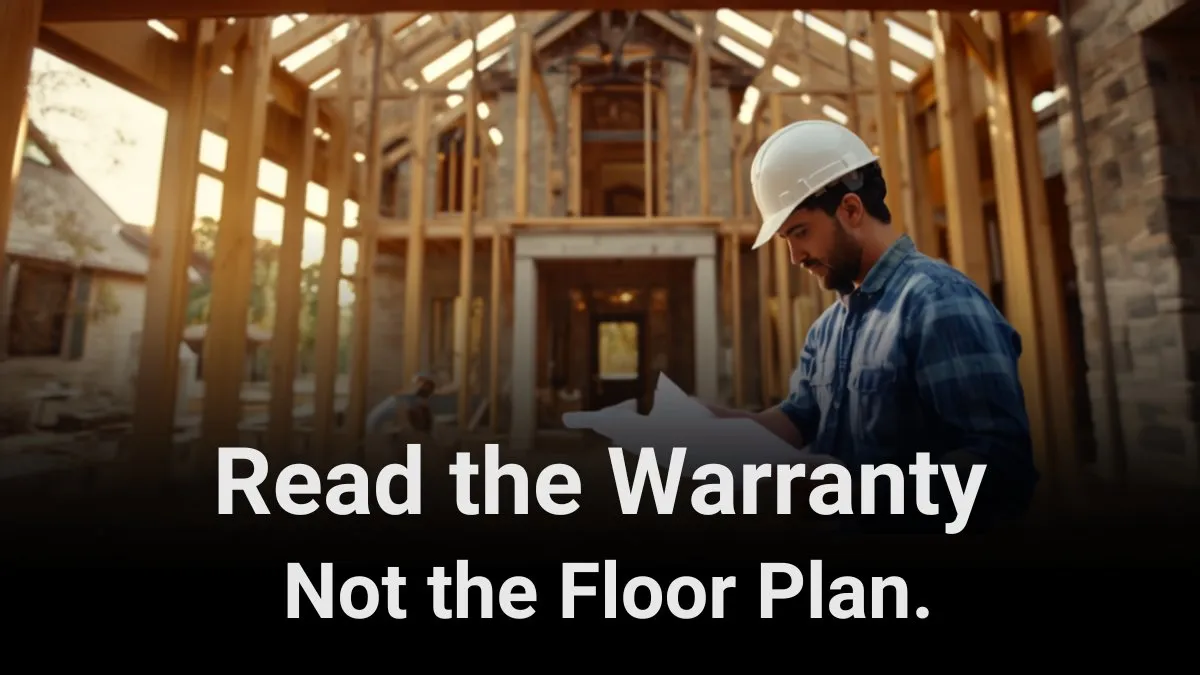
A standard Texas new-construction warranty covers workmanship and materials for one year, mechanical systems like plumbing and electrical for two years, and major structural components for six to ten years depending on the builder. On a luxury build, that timeline matters as much as the finishes, because the fine print decides who pays if something goes wrong after you move in.
The Three-Tier Timeline Almost Every Texas Builder Uses
Most Texas builder warranties follow the same basic structure, whatever the price point of the house. Year one covers workmanship and materials, the paint, trim, drywall, and finish-level items most likely to show a problem early. Years one and two cover mechanical delivery systems, plumbing, electrical, and HVAC. Structural coverage, meaning the foundation, load-bearing walls, beams, and floor systems, runs longer, anywhere from six to ten years depending on the specific builder and whether the warranty is backed by a third-party insurer.
On a custom or semi-custom luxury build, ask for that structure in writing before you sign, not a verbal assurance from the sales team. A luxury price tag doesn’t automatically buy a longer or stronger warranty than a production home carries; sometimes it’s the exact same third-party warranty product.
The Law Behind the Shorter Structural Window
Texas House Bill 2024 changed the ground rules here in a way most buyers never hear about. Builders who provide that written one, two, and six-year warranty structure get their own legal exposure shortened from the general ten-year statute of repose down to six years, with one possible one-year extension if a defect claim was reported in writing before the six-year mark. That’s a trade the builder is making, not a guarantee handed to you by the state. Read the actual warranty document rather than assuming Texas law entitles you to a full decade of structural protection, because on many new builds now, it doesn’t.
This applies to detached single-family and two-family homes and townhouses up to three stories with a separate entrance, which covers the large majority of luxury new construction in the Houston area.
Self-Warranted or Insurance-Backed Changes Everything
Ask one direct question before you close: is this warranty backed by a third-party insurance company, or is it only the builder’s own promise on their own letterhead? A self-warranted home puts you entirely at the mercy of that one company staying in business and staying solvent for the full warranty term. An insurance-backed warranty, the kind offered through providers like 2-10 Home Buyers Warranty, keeps paying out on a legitimate claim even if the builder closes, sells, or goes bankrupt before your six or ten years are up. On a luxury build where the structural repair bill could run into six figures, that distinction is the whole ballgame.
What Peter Looks for Before a Client Signs
Before real estate, Peter spent years in construction, and the first thing he checks in a luxury new-construction contract isn’t the room count or the finish package, it’s whether the structural warranty is insurance-backed or only a builder’s own promise. He’s watched buyers assume the impressive name on the community sign guarantees the warranty behind it, and those aren’t the same thing at all.
Claim deadlines are the other trap. Some builders give you as little as 30 days from when you first notice an issue to file a written claim, and missing that window can void coverage for that specific problem even while the rest of the warranty stays active. Photograph and date anything that concerns you the day you see it, and put the claim in writing immediately rather than waiting to see if it gets worse.
If you’re still weighing whether to build custom or buy an existing luxury home, our earlier look at the real cost math on building versus buying covers the budget side of that decision in more depth.
The Move Live Love TX Team™ is a Houston, Texas real estate team based in The Woodlands that helps buyers purchase homes with confidence and guides homeowners to selling smarter across Houston and the surrounding areas.
Frequently Asked Questions
- How long does a new construction home warranty last in Texas?
- A typical Texas builder warranty runs one year for workmanship and materials, two years for mechanical systems like plumbing, electrical, and HVAC, and six to ten years for major structural components, depending on the builder and the warranty provider.
- What is the difference between a builder's warranty and the statute of repose?
- The warranty is the builder's written promise to fix specific defects for a set period, while the statute of repose is the outside legal deadline for filing a construction defect lawsuit at all, even outside the warranty. Under Texas's HB 2024, a builder offering that written one, two, and six-year warranty structure gets a shorter, six-year repose period instead of the general ten-year one.
- What's the difference between a self-warranted and insurance-backed new home warranty?
- A self-warranted home relies entirely on the builder's own company to honor future claims. An insurance-backed warranty, like those through a third-party provider, pays out even if the builder goes out of business or is sold before your warranty period ends.
- What happens if my builder goes out of business before my warranty expires?
- If your warranty is self-warranted, a defunct builder usually means the warranty is worthless in practice, since there's no company left to make the repair. An insurance-backed, third-party warranty keeps paying regardless of what happens to the builder.
- How quickly do I need to report a defect under a Texas builder warranty?
- Some builders set claim deadlines as short as 30 days from when you notice an issue, and missing that window can void coverage for that specific defect even while the rest of your warranty is still active. Document problems in writing and with dated photos the day you find them.