

Veterans
Can You Use a VA Loan to Buy a Manufactured or Modular Home in Houston?
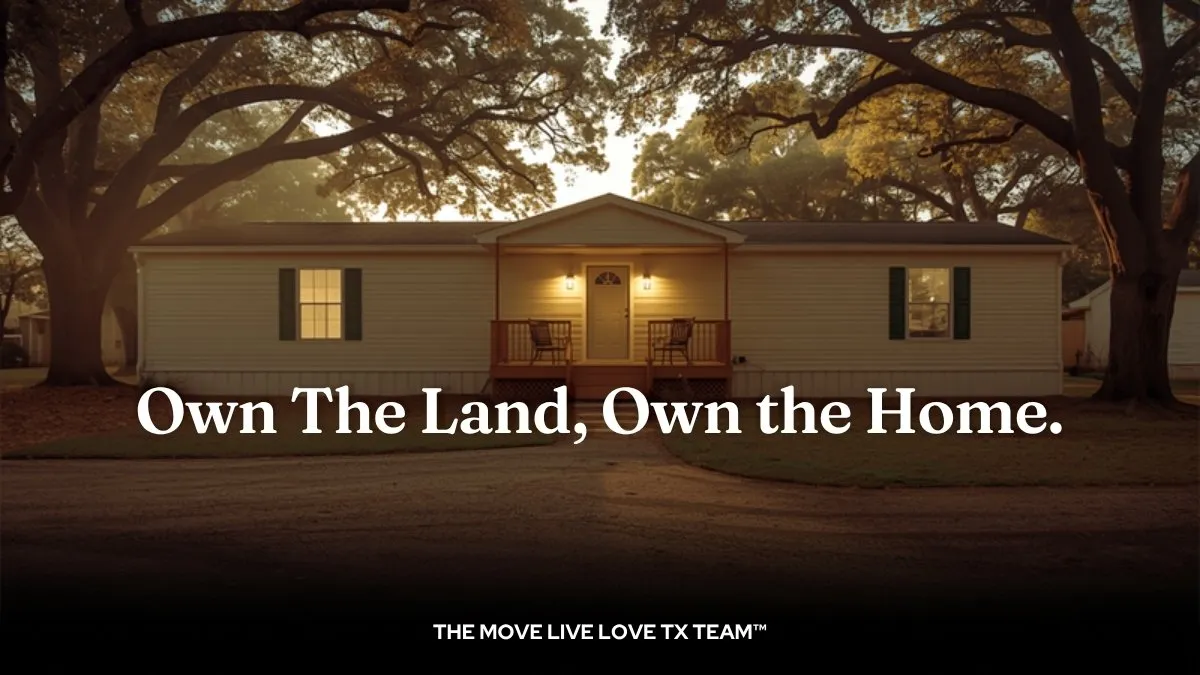
Yes, a veteran can use a VA loan on a manufactured or modular home in the Houston area, but the rules underneath that yes look nothing like a standard VA purchase. The home has to sit on a permanent foundation, on land the veteran owns rather than leases, and the loan term is often years shorter than the standard 30-year VA mortgage. On top of that, a lot of VA-approved lenders won’t originate this loan type at all, even though the VA guarantees it. Whether the property is a manufactured home or a modular home changes almost everything about how smooth that process runs.
The Foundation and Land Rules Change Everything
A VA-financed manufactured home has to be permanently affixed to a foundation that meets HUD’s Permanent Foundations Guide and the local building code, not set on blocks or piers the way a home in a mobile home park usually sits. It has to be titled as real property, not personal property, which in Texas means going through the state’s process to retire the home’s manufacturer’s certificate of origin and attach it to the land’s deed. And the veteran has to own that land, either already or as part of the same purchase.
That land-ownership piece is where a lot of veterans get tripped up. A home on a rented lot inside a manufactured home community is personal property under the law, and the VA does not guarantee personal property loans. A handful of lenders will consider a long-term ground lease, usually one that runs well past the loan’s maturity date, but that is the exception a veteran has to go looking for, not something most VA lenders offer as a matter of course.
Manufactured vs. Modular vs. Site-Built, Side by Side
The word “manufactured” and the word “modular” get used interchangeably by sellers and even by some agents, and the VA cares which one it is:
- Manufactured home. Built entirely in a factory on a permanent steel chassis, to the federal HUD Manufactured Home Construction and Safety Standards (the HUD Code). Must have been built on or after June 15, 1976 to qualify for VA financing at all. Identified by a HUD certification label on the exterior and a data plate inside a cabinet or utility closet. Carries the extra VA restrictions on foundation, land ownership, and loan term described above.
- Modular home. Built in sections in a factory, then assembled on site, but constructed to the same state and local building code that governs a site-built house in that county, not the HUD Code. Once installed on its foundation, the VA treats it the same as a stick-built home, with the standard 30-year loan term available and no special property-type restrictions layered on top. Identified by a state inspection seal or a builder’s certificate of origin referencing the local building code rather than a HUD data plate.
- Site-built home. The baseline every VA loan is designed around. Standard VA Minimum Property Requirements apply, standard terms, no property-type questions to sort through first.
If a seller or a listing calls something a “modular home,” it’s worth confirming that with a data plate check or a builder’s certificate before assuming it comes with the easier financing path. The label on the listing isn’t always accurate.
Shorter Terms, a Smaller List of Lenders
The VA doesn’t set one universal loan term for manufactured homes the way it does for a standard purchase. What happens in practice is that most VA-approved lenders who do offer this loan cap it well short of 30 years, commonly somewhere in the 20 to 25 year range, with a single-wide typically landing on the shorter end and a double-wide purchased along with land landing on the longer end. That’s a business decision each lender makes, largely because there’s less appetite on the secondary market to buy a 30-year loan against a home that depreciates instead of building equity the way a site-built house usually does.
The bigger practical hurdle is finding a lender who offers manufactured home financing at all. Manufactured homes have historically carried higher default rates than site-built homes, and a lender that finances one has to deal with appraisal and marketability questions a standard appraisal never raises. Because of that, plenty of VA-approved lenders who happily close a standard purchase loan every week will decline a manufactured home outright. Some larger VA lenders, including Veterans United, USAA, and Navy Federal Credit Union, do offer it, alongside a handful of smaller regional and credit union lenders, but it’s worth asking a lender this specific question before you fall for a specific property rather than assuming your last VA lender will say yes again.
Finding the Right Path in the Houston Area
Around Houston, manufactured and modular homes on owned land tend to show up more outside the inner Loop and outside the tighter deed-restricted subdivisions closer to The Woodlands, in places like Liberty County, Waller County, and parts of unincorporated Montgomery and Harris counties. Before a veteran gets attached to a specific manufactured home, it’s worth checking the deed restrictions on that specific lot. Plenty of HOA-governed communities in this market bar manufactured homes outright regardless of what the VA would otherwise allow.
Peter’s background in construction and mortgage lending, from before he ever held a real estate license, is exactly the kind of thing this property type calls for. He can look at a HUD data plate or a foundation certification and tell a veteran in the same conversation whether a specific property is going to sail through underwriting or stall out at appraisal. And because a veteran with full entitlement isn’t capped by a county loan limit, the same entitlement rules that apply to a standard VA purchase still apply here. The VA appraisal process on a manufactured or modular home follows the same Minimum Property Requirements framework, with extra scrutiny on the foundation and the comparable sales, since fewer manufactured home sales exist nearby to pull comps from. A veteran who wants more control over the finished product than either option offers has another route worth knowing about too: a VA construction loan that finances the land and a stick-built home from the ground up in one closing.
None of this makes a manufactured or modular home a bad choice for a veteran buyer. It makes it a property type where the paperwork and the lender search matter more than they do on a typical resale, and where knowing the difference between manufactured and modular before you write an offer saves a lot of surprise later. The VA Benefits the Smart Way guide walks through the rest of the entitlement and eligibility questions that come up alongside this one.
Frequently Asked Questions
- Can a veteran use a VA loan to buy a manufactured home in Houston?
- Yes, the VA allows financing on manufactured homes, but the home has to meet HUD construction standards, sit on a permanent foundation, and be titled as real property on land the veteran owns. Many VA-approved lenders decline to originate these loans at all, so finding one that does is often the harder part.
- What is the difference between a manufactured home and a modular home for VA loan purposes?
- A manufactured home is built to the federal HUD Code on a permanent steel chassis and carries extra VA restrictions on foundation, land, and loan term. A modular home is built to the same state and local building code as a site-built house and, once installed, the VA treats it like any other site-built home.
- Why do so many lenders refuse VA loans on manufactured homes?
- Manufactured homes have historically carried higher default rates and depreciate rather than appreciate, which makes them harder for a lender to resell on the secondary market. Many VA-approved lenders choose not to originate this loan type at all, even though the VA itself allows it.
- Can a veteran get a standard 30-year VA loan on a manufactured home?
- Rarely, because the lender sets that limit, not the VA. Most VA-approved lenders cap manufactured home loans well short of 30 years, often in the 20 to 25 year range, depending on whether it is a single-wide or double-wide and whether land is financed along with it.
- Does a VA loan require owning the land under a manufactured home?
- Yes, under the standard VA manufactured home program the veteran has to own the land, either already or as part of the same purchase. A home on a leased lot in a park is treated as personal property, and the VA does not guarantee personal property loans.